The story of Harehopp Hut
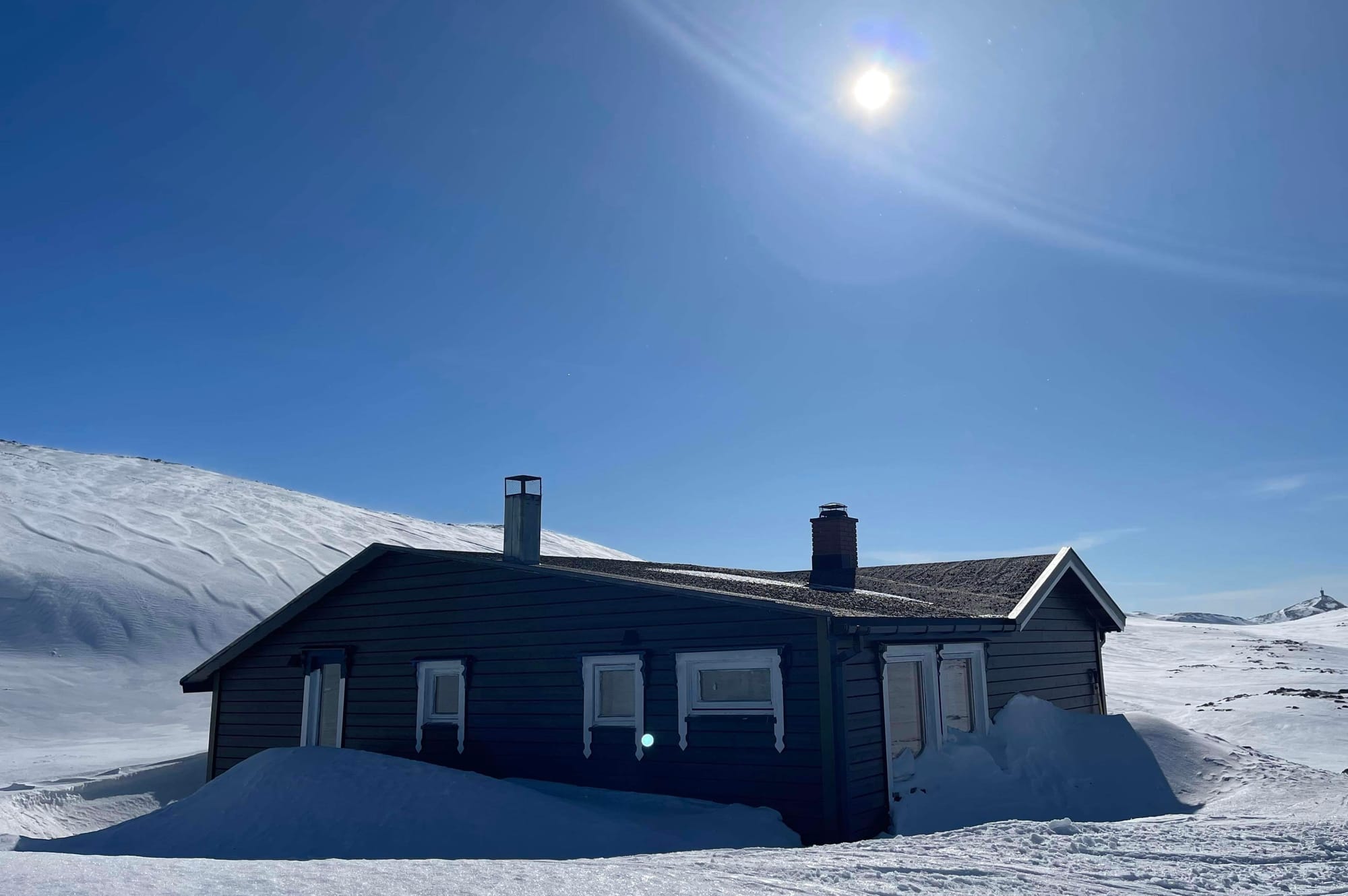
On the shores of the quiet Glimmevann, in the middle of the mountainous areas of Kvaløya, lies a modest mountain cabin with an unusual history.
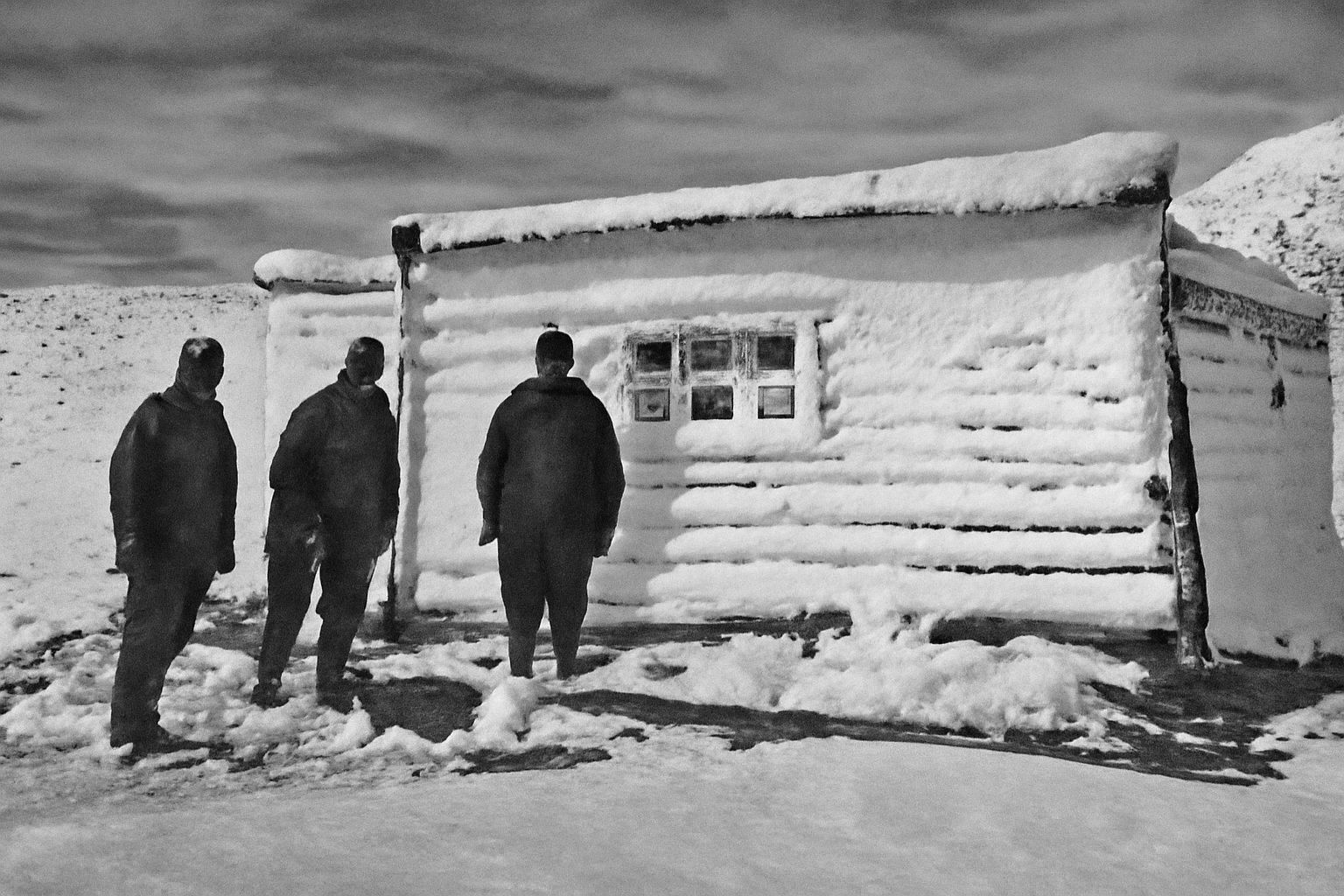
The original Harehopphytta was the oldest remaining building in Hammerfest after the Germans burned the entire town during their retreat in World War II. Its survival seems almost a small miracle. The hut is located about an hour's walk from the center of Hammerfest, and in the last months of the war it served as a hiding place for Norwegian resistance fighters who refused to surrender to the occupying forces.
A city in flames – a hut in hiding
In the fall of 1944, the Germans implemented the brutal scorched earth tactic in Finnmark. Everything was to be destroyed to prevent Soviet forces from getting supplies if they moved west.
In the midst of this firestorm, Odd and Gunn Evensen, Hans Jørgen Angel, and the brothers Egil and Rolf Kivijervi sought refuge in the mountains. In the cabin at Glimmevann, they followed the course of the war through the radio and waited for liberation while the winter darkness and uncertainty weighed down.
A footprint changed everything
On December 13, 1944, the hiding place was revealed. Odd Evensen was caught after German patrols followed footprints in the snow. A forgotten bag and a stolen radio transmitter – originally taken from German security police – further strengthened the suspicion. Shortly afterwards, the pregnant Gunn Evensen was also arrested. The mountains were now patrolled around the clock.
Captivity and interrogation
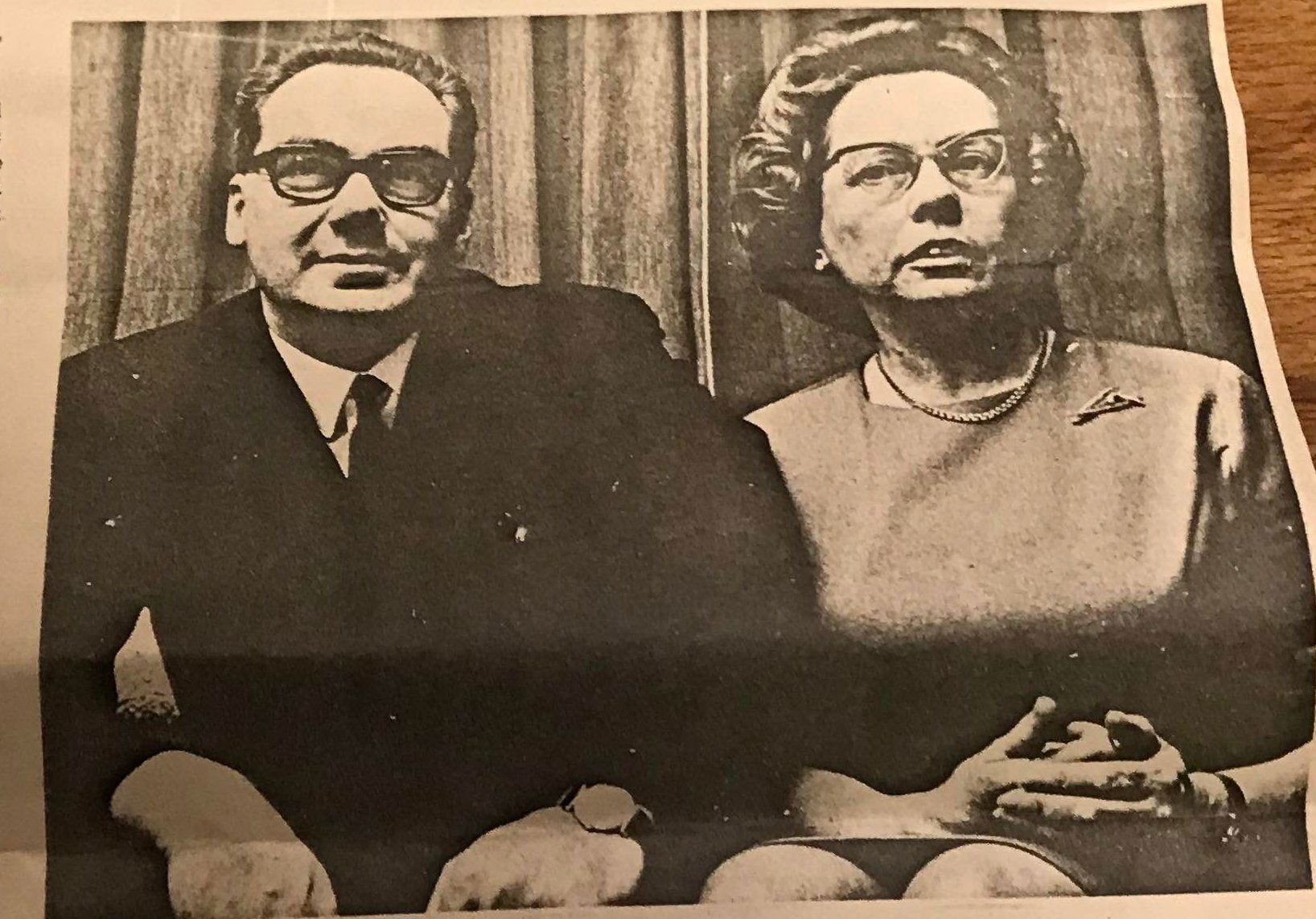
Gunn Evensen and Turid Nissen were sent into captivity and put to work in the kitchen of the German security police.
Gunn later said that she was treated surprisingly well, even though the regime was strict and unpredictable. Odd Evensen underwent harsh interrogations. It was not until 25 years after the war that he learned that a radio transmitter had been found, and that this was what put the patrols on their trail.
The Kivijervi brothers – a tragedy in the mountains
The Kivijervi brothers became victims of their resistance. One of them was found dead on the shore at Strømnes. Later, two more bodies were found at Ørntinden – probably the other of the brothers and a Russian spy they had collaborated with. Their fate is a dark but important chapter in the history of the resistance in Hammerfest and Kvaløya.
A hut that survived
The original cabin that stood here after the war was not just a hiding place – it was one of the few buildings that was not reduced to ashes.
It is a testament to courage, hope and perseverance at a time when almost everything else around it was destroyed.
Over the decades, Harehopphytta has been rebuilt and renovated. Today it stands as a modernized, but still simple and weather-beaten mountain hut, quiet and patient, with an echo of the history of those who risked everything for freedom. The hut is more than a building.